Skip to content

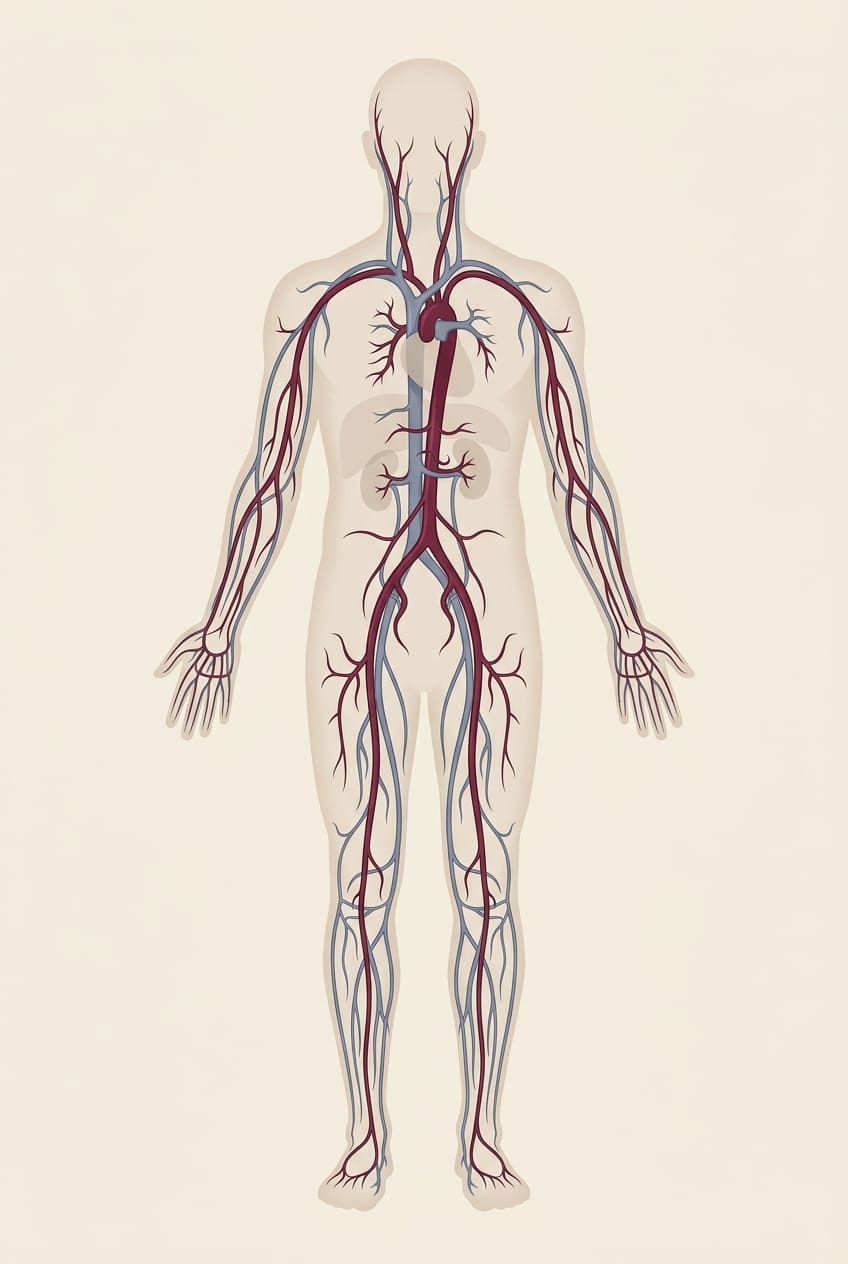
Vascular examination

Vascular Doppler ultrasound in Paris

A painless, precise exploration of your blood circulation, arteries and veins, with every result explained clearly.

On video

01

Neck & brain

Doppler of the supra-aortic trunks (TSA)

  • About 15 minutes
  • Lying down, head turned slightly
  • No preparation needed

This exploration studies the carotid and vertebral arteries, which supply blood to the brain. The specialist runs a probe along each side of the neck to visualise the artery walls and measure how fast blood moves through them.

A Doppler of the supra-aortic trunks detects atherosclerotic plaque and any narrowing (stenosis) of these arteries, and contributes to the overall assessment of cardiovascular risk, particularly the risk of stroke. It is completely painless and takes about fifteen minutes; you simply lie on your back with your head turned slightly toward the side being examined.

You may be concerned if…

  • Cardiovascular risk factors (blood pressure, cholesterol, smoking)
  • Family history of stroke
  • A murmur heard through the stethoscope
  • Routine screening after 50
02

Legs · arteries

Doppler of the lower limb arteries

  • 20 to 30 minutes
  • Lying on your back
  • No preparation needed

This exploration follows the arteries of the legs, from the groin to the feet, to detect narrowing or blockage linked to atherosclerosis, a condition known as peripheral artery disease. Tracing the probe from the groin down to the feet, the specialist follows each artery in turn, reading the vessel walls and the blood flow velocity.

It is particularly recommended for pain on walking, for people with diabetes or a smoking history, and to assess the severity of the condition. It is completely painless and generally takes between 20 and 30 minutes, lying on your back with your legs uncovered.

You may be concerned if…

  • Calf pain on walking that eases with rest (claudication)
  • Diabetes
  • Smoking
  • Cold foot or a slow-healing wound
03

Kidneys

Doppler of the renal arteries

  • About 15 minutes
  • Lying on your back
  • Ideally fasting, no smoking beforehand

This exploration studies the arteries supplying the kidneys, looking for a narrowing that could explain blood pressure that is difficult to control, or a decline in kidney function.

Here the probe works through the abdomen to reach these deeper vessels and gauge the flow within them. It generally takes around fifteen minutes and is completely painless; coming fasted and without having smoked beforehand improves the images by limiting digestive gas that can interfere with visualisation.

You may be concerned if…

  • Blood pressure that resists treatment
  • Declining kidney function
  • Assessment before certain treatments
04

Abdomen

Doppler of the abdominal aorta

  • About 15 minutes
  • Lying on your back
  • Ideally fasting

The abdominal aorta is the largest artery in the body. This exploration measures its diameter along its full length to screen for an aneurysm, an abnormal dilation of the artery wall that needs monitoring if found.

It is particularly recommended after age 60, for smokers, or with a family history of aneurysm. It is simple and quick, and is ideally performed fasting for a clearer view, since digestive gas can otherwise interfere with the images.

You may be concerned if…

  • Over 60 years old
  • Smoking
  • Family history of aneurysm
  • Routine screening
05

Arms & hands

Doppler of the upper limb arteries

  • 15 to 20 minutes
  • Seated or lying down
  • No preparation needed

This exploration studies the arteries of the arms, from the shoulder to the hand, to detect a narrowing or blockage, as well as other vascular problems such as thoracic outlet syndrome, where a vessel is compressed near the shoulder.

Painless throughout, it is done seated or lying down, and the specialist may move your arm into different positions to reproduce the discomfort you have described. No special preparation is needed.

You may be concerned if…

  • Cold or numb hand
  • Arm pain on exertion
  • Tingling linked to arm position
06

Legs · veins

Venous Doppler of the lower limbs

  • 20 to 30 minutes
  • Standing then lying down
  • No preparation needed

This exploration studies the veins of the legs, from the groin to the foot, to look for a deep vein thrombosis (phlebitis) or venous insufficiency causing varicose veins. Following the veins from the groin to the foot, the specialist checks that the deep and superficial network is open and tests how well the venous valves close.

It can also form part of the work-up for fainting linked to a drop in blood pressure on standing, by assessing venous return. It is painless and generally takes between 20 and 30 minutes; you are examined both standing and lying down, depending on what needs to be assessed.

You may be concerned if…

  • Heavy or swollen legs
  • Varicose veins
  • Suspected phlebitis
  • Fainting on standing up
RH

Performed by

Dr Rabiaa Hakem

Médecin vasculaire (Angiologue)

Every exploration is performed personally by our vascular specialist, from image acquisition through to interpretation. The report is given to you and explained during the consultation.

Ready to book?

Cardio Check-up, cardiology and rhythmology in Paris · Reply within 24 to 48h

Online booking via Doctolib

Frequently asked questions

Vascular Doppler ultrasound in Paris: your questions

An imaging test that uses ultrasound to study blood flow in your arteries and veins, without any radiation. A specialist moves a probe over the skin, with a little gel, to see the vessel walls and measure how fast blood is flowing through them. It can explore several territories (the carotids in the neck, the arteries of the arms and legs, the kidneys, the abdominal aorta, or the leg veins) depending on your symptoms. Completely painless, and several explorations can often be combined in a single appointment with our vascular specialist.

It depends on which territory is being explored. The renal arteries and abdominal aorta explorations are ideally done fasting, since digestive gas can interfere with the images of these deeper structures. The others, the carotids (TSA), leg arteries, arm arteries and leg veins, need no particular preparation; eat and take your medication normally. When you book, the secretariat tells you which, if any, of your specific tests require fasting.

No, entirely painless and radiation-free. The specialist simply moves a probe over the skin with a little gel, whether examining the neck, arms, legs or abdomen. Depending on the exploration, you may be lying down, seated, or asked to stand briefly (for a venous leg Doppler), but none of these positions cause discomfort. Each exploration takes fifteen to thirty minutes and ends with the specialist explaining what was found.

One of the most requested explorations in this hub: it looks for a deep vein thrombosis (phlebitis) or venous insufficiency, the underlying cause of varicose veins. The specialist follows the venous pathways from the groin to the foot, checking that the deep and superficial veins are open and assessing how well the valves work. It's also useful when investigating fainting linked to a drop in blood pressure on standing, since it assesses venous return. Generally twenty to thirty minutes, examined standing and then lying down.

It follows the arteries from the groin to the feet to detect peripheral artery disease, a narrowing or blockage usually related to atherosclerosis. Particularly recommended if you have calf pain on walking that eases with rest, diabetes or a smoking history, or a slow-healing foot wound. It lets the specialist grade the severity and guide treatment. Painless, twenty to thirty minutes, examined lying on your back.

It examines the carotid and vertebral arteries in the neck, which supply blood to the brain, detecting atherosclerotic plaque and any narrowing, both directly linked to stroke risk. Often recommended for people with cardiovascular risk factors (high blood pressure, cholesterol, smoking), a family history of stroke, or simply as routine screening after age 50. Painless, about fifteen minutes, lying down with your head turned slightly.

Yes, that's a specific purpose of the abdominal aorta exploration. The aorta is the body's largest artery, and this test measures its diameter along its length to screen for an aneurysm, an abnormal dilation of the vessel wall. Particularly recommended after age 60, in smokers, or with a family history of aneurysm. About fifteen minutes, ideally fasting for a clearer view.

When blood pressure resists treatment, a renal artery Doppler can look for a narrowing of the arteries supplying the kidneys, a condition that can cause resistant hypertension. The specialist places the probe on the abdomen to assess these arteries and blood flow; finding a significant narrowing can change your treatment approach. About fifteen minutes, ideally fasting and without smoking beforehand for clearer images.

A prescription is generally needed, since this is a complementary examination: if you're unsure whether you have the right one, our secretariat can advise when you book. Bringing the prescription along with any previous vascular imaging helps the specialist target the right exploration or explorations, since our hub covers six distinct territories. New patients are welcome; the specialist confirms during your appointment exactly which explorations are relevant to your symptoms.

For examinations carried out at the practice, your results are interpreted by the doctor and sent to you once the medical analysis is complete.

Use the online booking button on this page, or call the secretariat. Mention your symptom or reason (leg pain on walking, heavy legs, suspected phlebitis, hard-to-control blood pressure, or routine vascular screening) so we can direct you to the right exploration among the six our vascular specialist offers. Bring your prescription and any previous vascular imaging. Note that renal artery and abdominal aorta Doppler are ideally done fasting; the secretariat confirms which preparation, if any, applies to your appointment.